

 0
0
 0
0
Gaming is always changing, and the separation between different platforms has long been a hurdle for both players and creators. Lately, cross-platform play has surfaced as a promising fix. With over ten years of experience in technical copywriting, let’s explore cross-platform gaming and how it’s reshaping the industry.
How Gaming Platforms Have Evolved
From arcade cabinets and early home consoles to the present day, gaming has transformed dramatically. Now players can choose from PCs, consoles like Xbox and PlayStation, and a wide range of mobile devices. Each option offers different advantages and drawbacks, and preferences often depend on graphics, gameplay, and available titles.
The Problem of Platform Exclusivity
Platform exclusivity has long been a major issue in gaming. Developers historically released games for a single system, preventing users on other platforms from playing them. While this strategy benefited platform owners financially, it annoyed gamers who wanted to play with friends on other hardware.
Introducing Cross-Platform Gaming
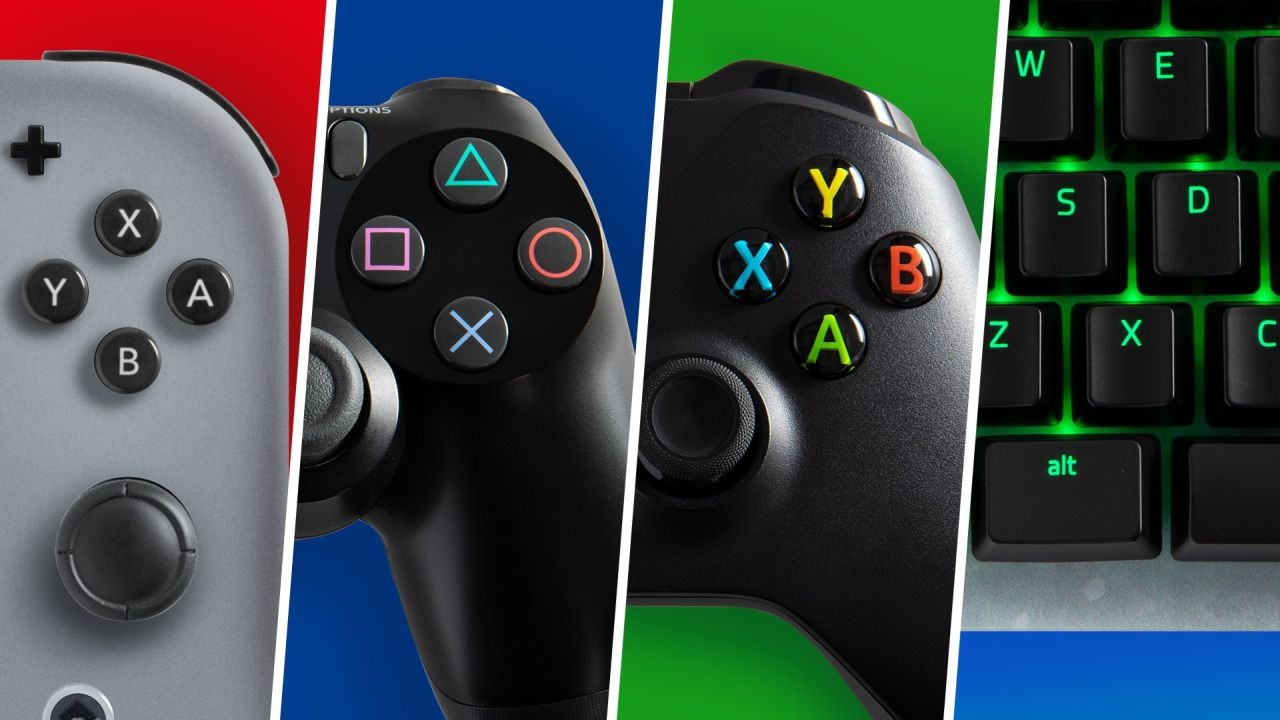
Cross-platform gaming changes the landscape by enabling players on different systems to play together smoothly. This approach removes barriers between platforms and builds a more inclusive gaming community. Players no longer need the same console or PC as their friends to enjoy multiplayer sessions.
How Cross-Platform Gaming Works
Cross-platform play depends on a mix of standard technologies such as cloud streaming, dedicated servers, and cross-platform APIs. These systems let users on different devices connect to the same game servers, creating equal conditions for everyone involved.
The Benefits of Cross-Platform Gaming
1. Enhanced Player Communities
Cross-platform play builds larger, more varied player bases. Gamers can link up with friends, relatives, or new people, no matter what hardware they use. This strengthens social play and often shortens matchmaking times, making gaming more satisfying.
2. Extended Game Lifespan
Developers also gain from cross-platform approaches. By opening a game to a wider audience, its active life can be prolonged. That allows continued support and updates, keeping players engaged for longer periods.
3. Accessibility
Cross-platform gaming improves accessibility. Players with disabilities can pick the platform and control setup that suits them best while still joining friends online. This greater inclusiveness marks important progress for the sector.
4. Increased Competition
Cross-platform play exposes players to a wider variety of opponents. That increased diversity can sharpen skills and strategies, leading to a more compelling competitive experience.
Challenges and Considerations
Despite its many perks, cross-platform gaming has challenges. Key factors to consider include:
1. Platform-Specific Features
Delivering a uniform experience across platforms can be difficult. Developers must weigh platform-specific capabilities while preserving balance and fairness in gameplay.
2. Technical Compatibility
Cross-platform play depends on solid technical foundations. Teams must invest in server systems and ongoing upkeep to deliver a reliable experience.
3. Game Design
Designers need to adapt their methods for cross-platform titles. Interfaces, control layouts, and core mechanics require careful planning to ensure all players enjoy a fair, fun game.
The Future of Cross-Platform Gaming
With ongoing technological progress, cross-platform play is likely to become even more widespread. The industry is heading toward a time when playing across devices is standard, letting friends connect easily regardless of their hardware choices.
The Role of Cloud Gaming
Cloud gaming platforms like Google Stadia and NVIDIA GeForce NOW help make cross-platform play more attainable. These services let users stream games to many different devices, further eroding platform boundaries.
The Importance of Developer Support
The rise of cross-platform gaming depends on developers adopting these practices. As more studios build with cross-play in mind, the number of compatible titles will continue to expand.
Conclusion
Cross-platform gaming marks a significant shift in the gaming landscape. It unites players, promotes inclusivity, and helps games live longer. Although challenges remain, the advantages are substantial. As technology advances, gaming’s future looks promising, with cross-platform play driving much of the innovation. Embrace the shift and prepare to play with friends across hardware boundaries!


