

 0
0
 0
0
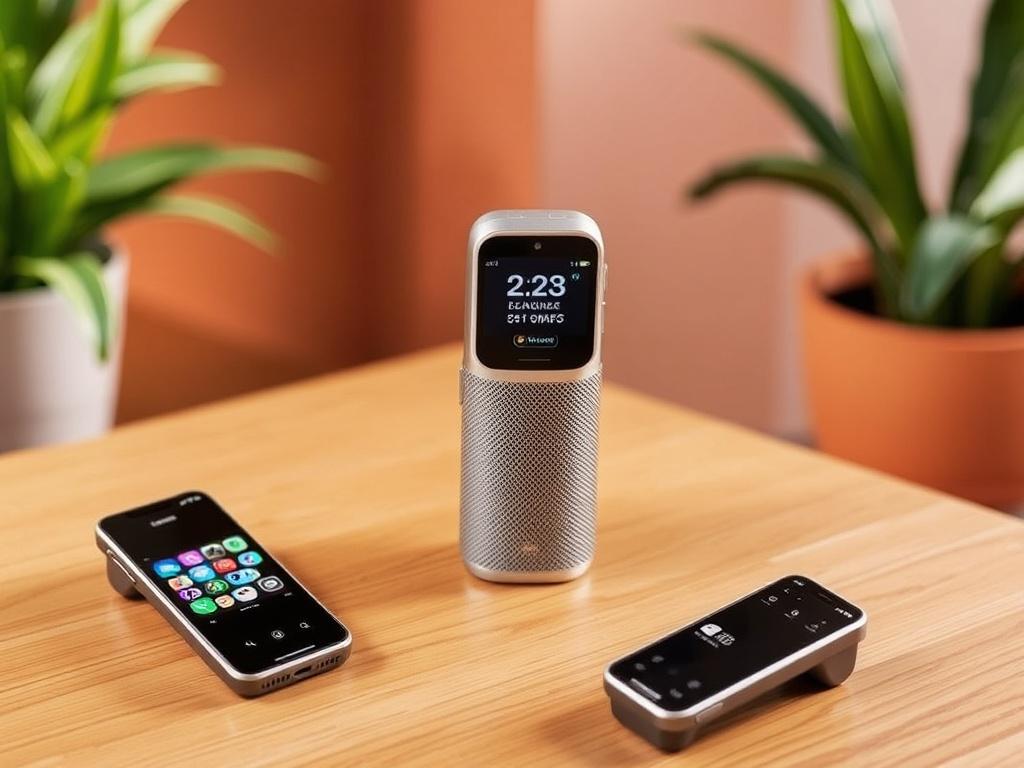
If you want devices that genuinely improve everyday life, 2026 is a refresh worth paying attention to. I’ve rounded up the Best Gadgets of 2026: Top Tech You Should Buy Right Now so you can cut through the noise and make smarter purchases. These picks focus on usefulness, solid engineering, and real-world improvements rather than flashy experiments. Read on for hands-on impressions, buying tips, and a short comparison to help you decide.
Smartphones and foldables: practical polish over gimmicks
This year’s flagships emphasize battery endurance, camera consistency, and cleaner software experiences instead of chasing headline specs. You’ll find AI features tuned for everyday tasks—like smarter background blur, on-device text summarization, and voice tools that finally feel responsive without draining the battery. Manufacturers have also tightened build quality, so water resistance and durable hinges on foldables are less of a compromise than they used to be. If you care about longevity, prioritize devices with modular repair options and extended software update promises.
Foldables have matured into genuinely useful form factors for productivity and media consumption rather than being novelty devices carried just for show. The screens are brighter, the crease is less noticeable, and multitasking is now a seamless, reliable workflow on many models. I’ve been using a compact foldable for months and found its display and multitasking to be a genuine productivity boost on trains and in cafés. For most buyers, a premium clamshell or book-style foldable is worth considering if you value screen real estate in a pocketable package.
Laptops and computing: power where you need it
Thin-and-light laptops continue to blend long battery life with impressive performance, driven by energy-efficient processors and better cooling designs. For creatives and heavy multitaskers, the portable workstation segment offers desktop-class power in slimmer chassis than before, so you no longer have to sacrifice portability for capability. Battery life improvements mean full workdays without reaching for the charger for most users, which changes how and where you use a laptop. Prioritize models with fast SSDs, good thermal design, and displays that match your work—color accuracy matters if you edit photos or video.
Gaming laptops are also cleaner in design, with fewer RGB excesses and more focus on silent profiles and battery efficiency for non-gaming tasks. Modern GPUs are better balanced for on-the-go use, and some machines offer hybrid modes that intelligently switch performance levels. If you travel with a laptop for both work and play, look for robust ports and display options that support both productivity and immersive gaming sessions. Investing in a quality dock or USB-C hub will extend the life and flexibility of any modern laptop.
Home tech and smart devices: small upgrades that add up
Home technology this year favors devices that blend into daily routines instead of demanding constant attention. Smarter thermostats, energy-aware lighting, and quiet robot vacuums that actually map your rooms have reached a level of reliability where they stop being chores and start saving you time. Mesh networking and Wi‑Fi 7 routers have improved range and capacity, which matters if your household runs multiple 4K streams, smart appliances, and a few work-from-home setups. When buying, choose ecosystems that interoperate and have clear privacy policies to avoid future headaches.
| Device | Why buy | Price range |
|---|---|---|
| Robot vacuum with mapping | Saves time, integrates with smart assistants | $250–$900 |
| Mesh Wi‑Fi 7 system | Stronger coverage, futureproof home network | $300–$700 |
| Smart thermostat | Energy savings, remote control | $100–$300 |
Integration matters more than brand loyalty; a well-chosen hub or bridge can make devices play nicely together and reduce friction. During a recent smart home refresh, consolidating to one control app cut maintenance and daily fiddling in half. If you live in a multi-person household, prioritize devices that are easy for everyone to use rather than those that offer complex customization for a single power user. Reliability beats novelty for home tech—choose convenience and predictable updates.
Wearables and personal health: subtle improvements, big benefits
Wearables have shifted toward genuinely useful health features rather than chasing one-off metrics. Accurate sleep tracking, improved battery life, and more reliable heart-rate and SpO2 monitoring are common across this year’s crop of watches and rings. Devices are also quieter about data sharing, with more on-device processing for sensitive health signals, which is a welcome change for privacy-conscious buyers. If you’re tracking fitness or stress, a simple, comfortable device you’ll wear daily is far more valuable than a feature-packed gadget you’ll leave in a drawer.
I use a fitness ring and a companion smartwatch in different contexts, and the combo has helped me spot patterns in sleep and recovery that I otherwise would have missed. Wearing a discreet ring for nights and a watch during the day reduces the annoyance of constant charging and means both devices are used for what they do best. For anyone starting fresh with wearables, choose one device, get used to the data it generates, and then decide whether adding another will actually change your behavior. In my experience, repeated small insights yield more meaningful health changes than flashy single metrics.
How to choose and where to buy: practical shopping advice
Start by listing the one or two problems a new device should solve rather than buying for the sake of new tech. Check for long-term software support, reasonable repair options, and independent reviews that confirm real-world battery life and durability. Avoid impulse purchases triggered by launch hype; the second or third iteration of a product line often has the kinks worked out and better value. Shop from retailers with clear return policies, and consider certified refurbished models if you want savings without much compromise.
- Prioritize longevity: longer warranties and replaceable parts matter.
- Validate battery life with independent tests, not just manufacturer claims.
- Match features to habits—advanced sensors are useless if you won’t use them.
- Look for software ecosystems that protect your privacy and data.
Buying tech in 2026 rewards patience and clear priorities more than impulse. A handful of well-chosen gadgets will streamline daily life, save time, and feel like real upgrades rather than temporary novelties. Armed with the tips above and a small shortlist of devices that fit your routines, you’ll end up happier with your purchases and less tempted by every shiny new release. Now go find the one device that will make your day-to-day noticeably better and start there.


