

 0
0
 0
0
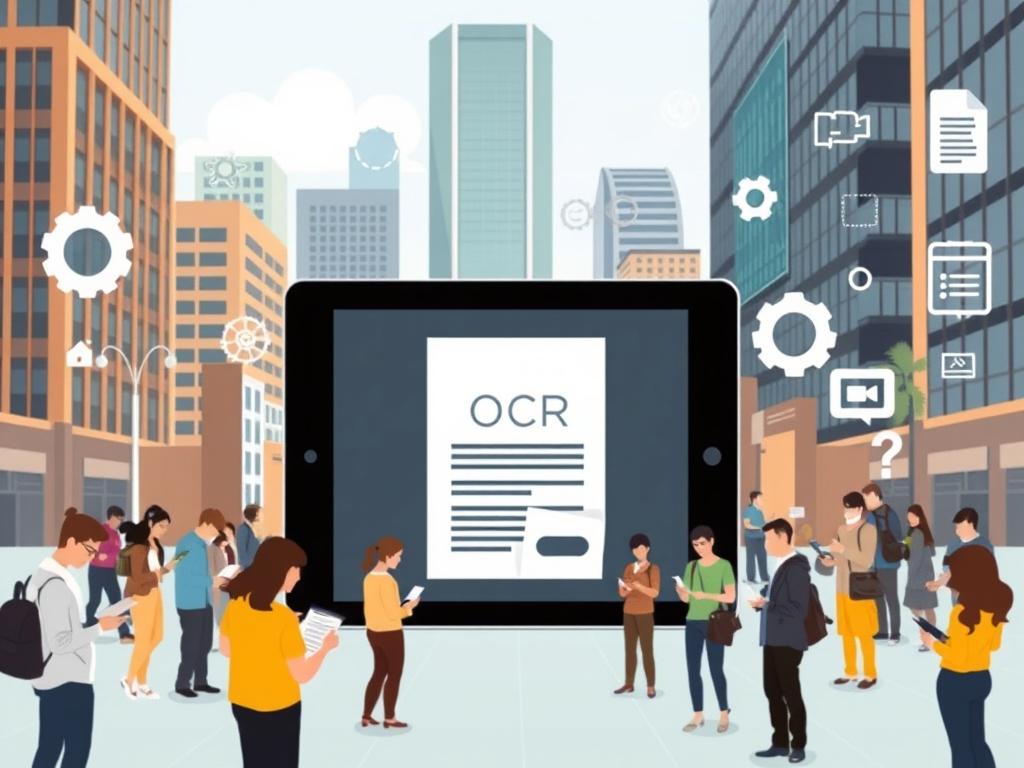
In the fast-changing world of digital services, governments everywhere are exploring new methods to improve service delivery and broaden citizen access. Optical Character Recognition (OCR) stands out as a major technological contributor to this change. Drawing on more than ten years of experience, I will examine how OCR has influenced e-government offerings, outlining its advantages, obstacles, and likely developments.
The Role of E-Government Services
E-government covers a broad set of initiatives that give people online access to governmental information, tools, and transactions. These initiatives range from filing taxes and applying for permits online to viewing public records and tracking governmental performance. The primary aim of e-government is to boost efficiency, transparency, and accessibility while easing administrative loads.
OCR Technology: An Overview
Optical Character Recognition (OCR) refers to systems that turn printed or handwritten text into machine-readable form. OCR solutions use multiple recognition methods to identify letters, typefaces, and layout, enabling the conversion and processing of text from images, scans, or documents. Recent years have brought notable gains in both precision and speed.
The Benefits of OCR in E-Government
Document Digitization
OCR is essential for converting large volumes of paper records into digital formats. This process helps governments build searchable digital repositories, cuts down on physical storage needs, and shortens the time required to locate documents.
Enhanced Searchability
By enabling indexing and cataloging of textual content, OCR makes it simple for users to find specific information within documents. This improves the citizen experience by letting people quickly access items like laws, policy texts, or archival materials.
Accessibility and Inclusivity
OCR can transform printed or handwritten material into accessible outputs such as Braille or synthetic speech, enhancing usability for those with visual disabilities. Such capabilities support equitable access to public services.
Automation and Efficiency
Automating extraction and entry of data through OCR reduces manual mistakes and speeds up administrative workflows. Agencies can handle forms and applications more rapidly, raising overall productivity.
Data Analytics
Text produced by OCR can be analyzed to reveal patterns and insights. Governments can leverage these analytics to inform policy, refine services, and detect areas in need of improvement.
Challenges in Implementing OCR
Despite the clear benefits, adopting OCR in e-government initiatives presents several hurdles:
1. Accuracy and Language Barriers
The reliability of OCR depends on source quality and the languages involved. Supporting many languages and regional variants remains a challenge for recognition systems.
2. Privacy and Security
Digital copies of government records often include confidential details. Protecting this information demands strong encryption, strict access policies, and comprehensive security measures.
3. Integration and Compatibility
Bringing OCR into current e-government platforms can be complicated. Ensuring systems interoperate smoothly and function without disruption is crucial.
4. Cost and Resource Allocation
Funding OCR systems, acquiring software, and training personnel require investment. Governments need to plan resource allocation carefully to deploy OCR successfully.
Future Prospects of OCR in E-Government
OCR’s outlook within e-government is encouraging. Progress in artificial intelligence and machine learning is steadily boosting OCR’s precision and its ability to recognize a wider array of languages. As the technology progresses, OCR is expected to become a foundational element of digital government services globally.
Multilingual Support
Future OCR platforms will handle an expanded set of languages and scripts, making public services usable for a more diverse population.
Integration with Other Technologies
OCR will increasingly work together with technologies like natural language processing and conversational agents, improving interactions and service delivery.
Enhanced Security Measures
Governments will adopt advanced protective measures to safeguard digitized records and the personal information of citizens.
Improved Automation
OCR will take on more complex automation tasks, further optimizing administrative processes and reducing manual intervention.
To summarize, OCR is set to transform e-government by enabling document digitization, better search capabilities, greater accessibility, automation, and data-driven insights. Nonetheless, tackling issues like recognition accuracy, data protection, and system integration is vital for effective rollout. With continued innovation and thoughtful implementation, governments can fully leverage OCR to deliver transparent, efficient, and accessible services in the digital era.


