

 0
0
 0
0
New gadgets arrive every week, but a handful actually change how we live, work, and play. This article highlights devices that feel like a step into the future—practical, surprising, and available to buy today. You’ll find pocket-sized powerhouses, clever home helpers, and tools for creators that genuinely solve problems rather than simply look cool. Read on to discover which innovations are worth your attention and money.
Why innovation matters now
We’re at a moment when miniaturization, smarter software, and better batteries converge to make devices more useful than ever. Hardware that once required a laboratory now fits in your pocket or sits quietly in a corner of your living room, doing work without fuss. The best gadgets combine thoughtful design with software that learns and adapts, saving time and reducing friction in daily routines.
Innovation also means accessibility: features that were once the domain of experts are now consumer-friendly. That shift opens creative and health-related opportunities for people who wouldn’t otherwise have access. Choosing the right gadgets can amplify productivity, improve wellness, and simply make life a little more pleasant.
Pocket power: smart personal devices
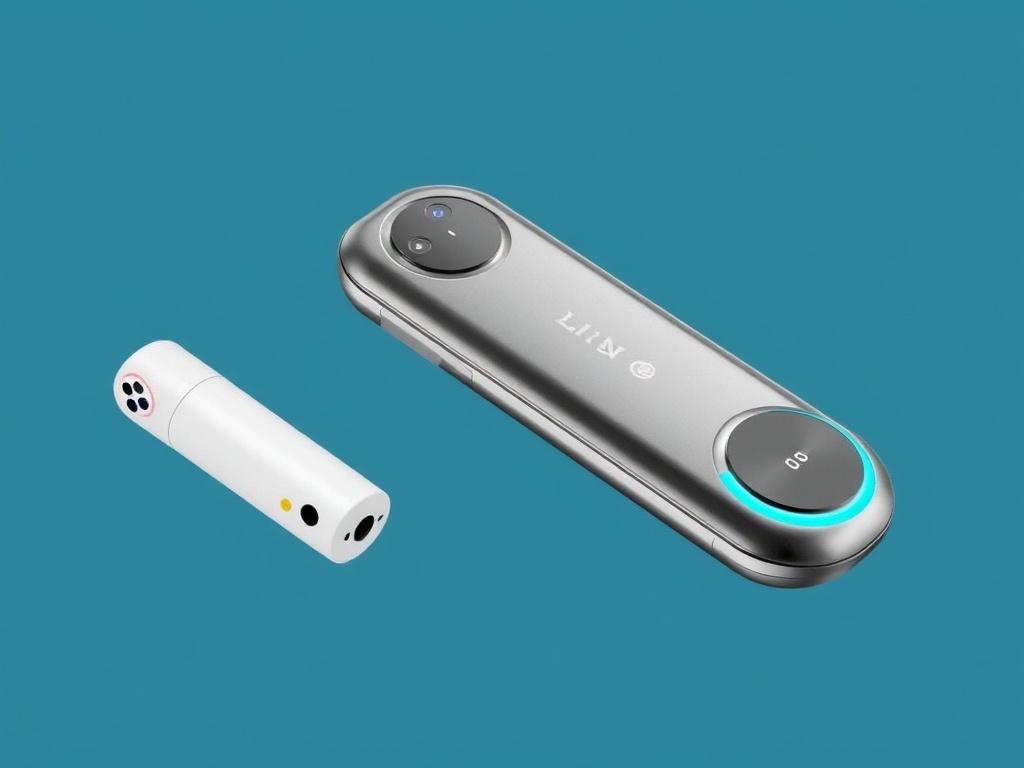
Phones still dominate, but a new class of pocket devices deserves attention. Compact AI assistants, multi-tool styluses, and portable projectors let you work or present without dragging a laptop around. These gadgets blur the line between accessories and essential tools, turning briefcases and backpacks into mobile command centers.
For quick reference, here are three standout pocket devices and what they bring to the table:
| Gadget | Standout feature | Typical price range |
|---|---|---|
| Portable AI recorder | Live transcription and searchable meeting notes | $150–$350 |
| Pocket projector | Bright, compact image for impromptu presentations | $200–$600 |
| Multi-function stylus | Pressure-sensitive drawing and remote controls | $50–$200 |
Home helpers that feel futuristic
Smart home tech has matured past gimmicks into genuinely useful appliances. Robot vacuums with intelligent mapping, air purifiers that auto-adjust to pollution levels, and smart fridges that track expiration dates are examples of devices saving time and improving comfort. These systems increasingly integrate with voice assistants and phone apps for seamless control.
I swapped a decade-old vacuum for a modern LIDAR-equipped robot and noticed an immediate difference: cleaner floors with a fraction of the effort and fewer missed spots under furniture. The real magic is how these devices learn the layout of your home and adapt schedules around your life, not the other way around.
Wearables and health tech
Wearables have evolved from step counters to serious health platforms. Rings, wrist devices, and smart garments now track sleep stages, heart variability, and—when paired with proper sensors—continuous metrics like glucose for those who need them. The trend is toward passive, non-invasive monitoring that provides actionable insights without demanding constant input.
When choosing wearable health tech, look for clinical validation, reliable battery life, and usable apps. I’ve tested several fitness bands and one surprising lesson was how much a cleaner interface and clearer metrics improved adherence; a device you actually use consistently beats a theoretically superior one you abandon after a week.
Creators’ tools: gadgets for making and streaming
Creators benefit from an explosion of affordable, high-quality gear. Lightweight gimbals, portable lighting kits, and compact audio interfaces let solo creators produce professional-looking video and crisp sound on location. Coupled with software tools that simplify editing, indie creators can ship polished work with a tiny crew—or none at all.
Small cameras with advanced stabilization and AI-assisted framing have made shooting on the go far easier. I’ve edited footage from a recent trip that looked like it had professional support, largely because the camera’s stabilization and autofocus did the heavy lifting while I focused on storytelling.
How to choose the right innovative gadget for you
Not every shiny new device deserves a spot in your life. Start by defining the problem you want solved and set realistic priorities: portability, battery life, compatibility with your existing gear, and long-term software support. A useful gadget should reduce friction, not add another learning curve or a drawer of cords to maintain.
Here’s a simple checklist to guide your decision:
- Does it solve a real problem you have, repeatedly?
- Is the software actively updated and supported?
- Does it integrate with the devices and services you already use?
- Are the replacement parts or consumables affordable and available?
Where to buy and a final note
Major retailers, direct manufacturer stores, and reputable specialty shops are good places to look, but read recent reviews and check firmware update histories before buying. Crowd-sourced user feedback often reveals quirks not obvious from marketing materials. Also watch for seasonal sales; many premium gadgets become much more affordable when new models push down prices.
Innovation is less about novelty and more about impact. The most satisfying gadgets are those that quietly improve your routines, surprise you with convenience, and stay useful as software and services evolve. Pick what solves your problems, and you’ll feel like you’re carrying a little of tomorrow with you today.


